
Views: 5 Author: Site Editor Publish Time: 2018-09-19 Origin: Site
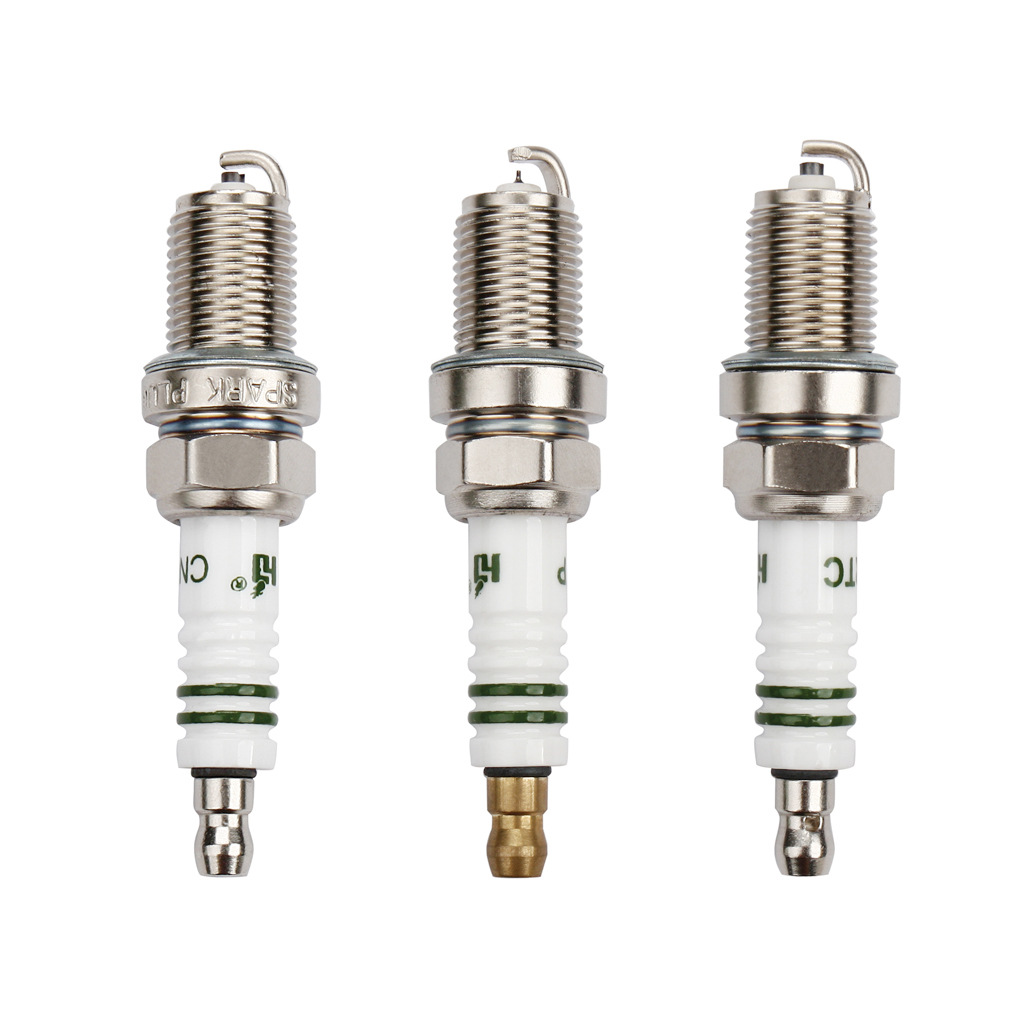
There are different types of spark plugs available, and they’re typically defined by the metal used to construct them. These plugs all have one thing in common: They help generate the energy your vehicle’s internal combustion engine needs to get the car from point A to point B.
Below, we’ll take a look at the various types of spark plugs currently on the market. We’ll examine each plug’s unique characteristics, as well as its strengths and weaknesses.
Copper spark plugs are one of the most common choices on the market. Despite their name, only the inner core of these plugs is made of copper. Their electrodes are covered by a nickel-alloy coating.
This type of spark plug is best suited for vehicles built prior to the 1980s that have low-voltage distributor based ignition systems. Also, copper spark plugs tend to run cooler, and this allows them to deliver unusually strong performance when used with engines that have turbochargers or high compression ratios. For this reason, they’re often used as original equipment by manufacturers of late-model high-performance vehicles. Finally, copper spark plugs are your best bet if your engine uses natural gas.
Copper spark plugs tend to cost less than other choices available. Their big drawback concerns longevity. They tend to have shorter life spans than other types of plugs on the market and typically need to be changed every 20,000 miles.
Platinum spark plugs feature platinum discs welded to the tips of their electrodes. Platinum’s most notable quality is its resilience — it’s harder than nickel alloy and it doesn’t erode as quickly. As a result, these plugs have a longer life span than ones with nickel-alloy electrodes. Some platinum spark plugs can provide up to 100,000 miles of service.
If you have a newer vehicle with an electronic distributor-based ignition system, platinum spark plugs are an ideal choice. Also, if your car’s owner’s manual specifically advises you to use platinum spark plugs, stick to this recommendation, and don’t downgrade.
These spark plugs feature iridium discs welded to their electrodes. Platinum is harder than nickel-alloy, but iridium is harder than platinum. How much harder? Iridium is six times harder and eight times stronger than platinum, and it has a melting point that’s up to 700 degrees higher. These qualities enable iridium spark plugs to last up to 25% longer than plugs with platinum tips.
If your owner’s manual recommends iridium spark plugs, follow this advice. Downgrading could result in diminished engine performance.
Iridium-tipped plugs are superb at conducting electrical energy, and they offer top-rate firing efficiency. Keep in mind, though, that since iridium is a costly precious metal, these plugs are usually the most expensive choices on the market.
Silver spark plugs feature electrodes tipped with silver. They rate highly when it comes to thermal conductivity, but they don’t last as long as plugs tipped with platinum or iridium. You’ll usually find them in motorcycles or older European performance cars.
Each type of spark plug brings something unique to the table. Take a thorough look at what each of these plugs has to offer when making a purchasing decision, and consult your car’s owner’s manual.
Let’s take a look at some common vehicle categories and the types of spark plugs that each class often requires:
· High-performance vehicles: As its name suggests, this vehicle class emphasizes performance. Iridium spark plugs tend to do a better job of conducting energy than other choices on the market, and this can help optimize engine power and smoothness. For this reason, iridium spark plugs are often seen in performance cars like the BMW M3 and the Mitsubishi Lancer Evolution.
· Classic cars: Today’s ignition systems use electronic sensors and computer wizardry to govern spark timing. As you’d imagine, this technology generally wasn’t present in older ignition systems. These more antiquated ignition systems were common prior to the 1970s, and copper spark plugs are often used to support them. If you have a classic car that was built before the 1970s, copper spark plugs may be an ideal choice.
· Natural gas vehicles: Does your vehicle rely on natural gas for fuel? Copper spark plugs are often used in natural gas vehicles.
· Newer vehicles: Newer vehicles often use electronic distributor-based ignition systems. In many cases, platinum spark plugs offer excellent support for these systems.
· Older European performance cars: Some older European performance cars specifically require silver spark plugs.
Though the guidelines discussed above often hold true, there are always exceptions to the rule. Your car’s owner’s manual offers specific recommendations regarding the type of spark plug that’s best suited for your vehicle. Take this guidance to heart when deciding which type of spark plug to buy.
Summing up, the class of vehicle you drive will play a role in deciding what type of spark plug is best for you. Use the insight shared above to get greater clarity on the issue, and remember to always consult your car’s owner’s manual before making a purchase.